

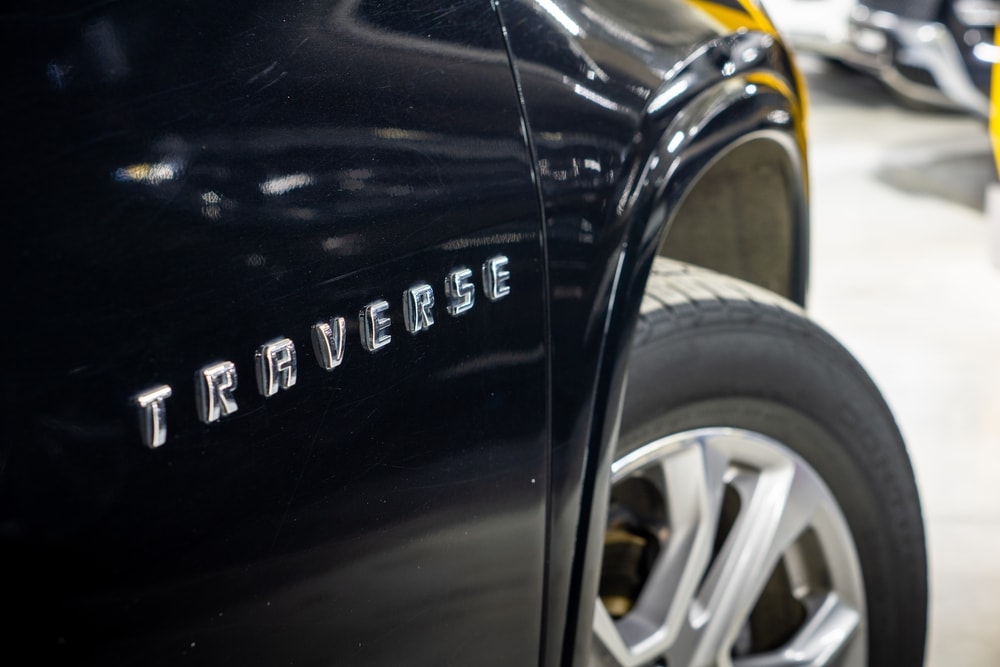
 If you're SUV shopping in Park City, Utah, you've probably crossed paths with two of Chevy's most popular models. The Chevy Traverse and the Chevy Tahoe both wear the bowtie, but they're built for different jobs. The team at Karl Malone Chevy Park City put together this guide to help you decide which one fits your driveway.
Meet The 2026 Chevrolet Traverse
The 2026 Chevrolet Traverse is a midsize SUV built for families who want space without extra bulk. It seats up to eight people, with some trims offering seven seats and captain's chairs in the second row. Under the hood sits a 2.5L turbocharged four-cylinder engine that makes 328 horsepower.
Traverse comes standard with front-wheel drive (FWD), and all-wheel drive is available if you want extra grip. The wheelbase measures 121 inches, which gives the cabin a stable, comfortable ride on the highway and around town.
Meet The 2026 Chevrolet Tahoe
The 2026 Chevrolet Tahoe is a full-size SUV built on a truck-based frame. It offers three engine choices: a 5.3L V8 with 355 horsepower, a 6.2L V8 with 420 horsepower, and a 3.0L Duramax turbo-diesel with 305 horsepower.
Tahoe ships with rear-wheel drive (RWD) as the base setup, and four-wheel drive is available for buyers who deal with snow and mountain roads. That's a real consideration for Park City winters.
Towing Capacity Compared
Towing capacity is often the deciding factor between these two SUVs. The Traverse can tow up to 5,000 pounds when properly equipped, which covers most small campers, boats, and utility trailers. That's plenty for a weekend at the lake or hauling snowmobiles up the canyon.
The Tahoe pulls ahead here. With the 5.3L V8, rear-wheel drive, and the Max Trailering Package, it can tow up to 8,400 pounds. Your choice of drivetrain plays a role too, since RWD Tahoe models are rated to tow more than four-wheel drive versions. If you haul a larger camper, a horse trailer, or heavy equipment, the Tahoe gives you more room to work with.
Fuel Economy And Fuel Efficiency
The Traverse's smaller turbocharged engine gives it an edge in fuel efficiency. Its four-cylinder design is built to balance power and fuel economy for daily driving and road trips.
The Tahoe's V8 engines trade some fuel economy for towing muscle and interior space. Buyers who want better fuel efficiency without giving up big-SUV capability can look at the Duramax turbo-diesel option, which is built for long highway stretches.
Cargo Room, Payload, And Seating Capacity
Both SUVs offer third row seating, but they handle it differently. The Traverse's cargo room behind the third row sits at just under 23 cubic feet, growing to around 98 cubic feet with the seats folded. Seating capacity tops out at eight.
The Tahoe has more cargo capacity across the board. Behind the third row you get 25.5 cubic feet, and with both rear rows folded that number jumps to 122.7 cubic feet. Payload follows a similar pattern. The Traverse offers up to 1,669 pounds of payload, while the Tahoe offers up to 2,020 pounds. The Tahoe's third row also offers real legroom for adults, not just kids.
Technology And Safety Technology
Both the Traverse and the Tahoe come with a 17.7-inch touchscreen infotainment system that includes wireless Apple CarPlay, wireless Android Auto, and wireless charging. Drivers who like to stay connected without plugging in a cable will feel right at home in either SUV.
On the safety technology side, both models offer automatic emergency braking, lane keep assist, and adaptive cruise control. Many trims also offer a rear camera mirror, which gives a wider, unobstructed view behind the vehicle.
Ground Clearance And Handling Around Park City
Park City's mountain roads, gravel driveways, and snowy winters put ground clearance to the test. The Tahoe's truck-based frame and available four-wheel drive give it an advantage on rougher terrain and deeper snow.
The Traverse handles daily driving and light snow well, especially with all-wheel drive. For buyers who mostly stick to paved roads and the occasional dirt trail, the Traverse's ground clearance is more than enough.
Starting MSRP
The Traverse carries a lower starting MSRP, which makes it an easier entry point for families who want a three-row SUV without a full-size price tag. The Tahoe starts higher, reflecting its larger frame, added towing capacity, and V8 power.
Ready for Your Next SUV?
If you want a midsize SUV that's easy to park, efficient on gas, and still seats eight, the Traverse is worth a look. If you need serious towing capacity, more cargo room, and the extra muscle of a full-size SUV, the Tahoe is built for you.
You can browse our full new SUV inventory to compare trims side by side, or head straight to our new Tahoe inventory if you already know that's the one for you. Families who want even more room can also check out the Suburban, Tahoe's longer sibling. If you're working with a tighter budget, our used SUV inventory is worth a look too.
Karl Malone Chevy Park City is ready to help you compare the Traverse and Tahoe in person. Stop by our Park City lot for a test drive, or reach out to our sales team with any questions. We'll help you find the SUV that actually fits your lifestyle!
Frequently Asked Questions
Which is bigger, the Chevy Traverse or the Chevy Tahoe?
The Tahoe is the bigger vehicle. It's a full-size SUV built on a truck frame, while the Traverse is a midsize SUV.
Can the Chevy Traverse tow a camper?
Yes. The 2026 Traverse can tow up to 5,000 pounds when properly equipped, which covers most small to midsize campers.
How much can the 2026 Chevy Tahoe tow?
With the right engine, rear-wheel drive, and the Max Trailering Package, the Tahoe can tow up to 8,400 pounds.
Does the Traverse or Tahoe get better gas mileage?
The Traverse generally gets better fuel economy thanks to its smaller turbocharged engine. The Tahoe's V8 engines use more fuel but offer more towing power.
Do both SUVs have third row seating?
Yes. Both the Traverse and the Tahoe offer third row seating, though the Tahoe has more legroom back there for adults.